
Problem-solving & Decision-making (Jul 2026)

Request a course guide Book a consultation
This micro-credential equips governance professionals with the skills to critically analyse problems, apply decision-making models, mitigate cognitive biases, and evaluate ethical implications in decision-making. By examining real-world scenarios, participants will gain practical insights into governance challenges and develop strategies for informed and effective decision-making.
This course is designed for professionals who want to enhance their ability to diagnose governance-related problems, make well-reasoned decisions, and implement solutions that align with ethical and organisational objectives.
Throughout the course, participants will learn how to identify and prioritise organisational problems, differentiate between symptoms and root causes, and utilise various thinking approaches for problem-solving. They will evaluate different decision-making frameworks, assess decision pathways, and examine strategic decision-making processes. The course also delves into understanding and managing cognitive biases, heuristics, and the impact of emotions and organisational politics on decision quality. Ethical considerations play a crucial role, with participants applying ethical frameworks to decision-making processes and assessing reputational and regulatory risks in corporate decision-making. The course concludes with strategies for developing action plans for decision implementation and establishing key performance indicators to measure decision impact.
Upon completion, participants will be able to critically analyse organisational problems affecting governance, apply decision-making models to develop sound strategies, recognise and mitigate cognitive biases in decision-making, and consider ethical implications while effectively communicating solutions.
More details about the course
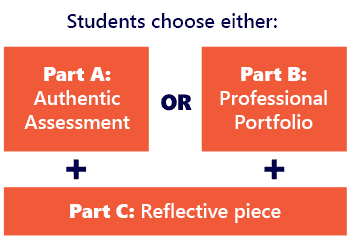
Module 1: Module 2: Module 3: Module 4: Module 5: Part A Part B Part C We provide specialised in-house training to organisations who want to train large groups of staff. What are the benefits on in-house training? Learning outcomes ▼
Course structure ▼
Assessments ▼
For business ▼
- Mode of study: Online (self-paced)
Time commitment: 42 hours with an access period of 8 weeks.
Proficiency level: Established
Digital badge issued: Micro-credential in Problem-solving & Decision-making
- Micro-credential Bundle in Data-driven Decision-making
Micro-credential Bundle in Strategic Management - Complete four Micro-credentials and get a awarded Micro-credential Bundle. Each course builds your expertise step-by-step, giving you practical skills and a nationally respected credential. Flexible, accessible, and designed for busy professionals—start your journey today and grow your governance career with confidence.
Join and save
Members of Governance Institute receive a discount of up to $110 per Micro-credential — find out if you are eligible.
Capabilities : Problem-solving & Decision-making