The US Election and The Reckoning of Corporate Governance: Boardrooms at a Crossroads
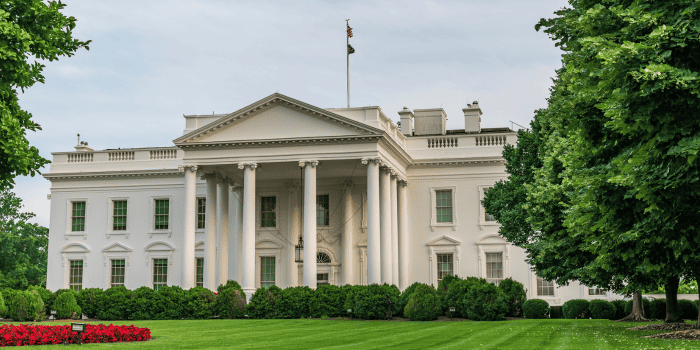
By Charles Dane, Policy and Government Relations Advisor, Governance Institute
The future of corporate governance in the United States has never been so uncertain, with the outcome of the 2024 US elections promising to reverberate through boardrooms from Manhattan to Silicon Valley, and across the world.
This is a choice between competing visions for corporate America’s future – and a referendum on the very nature of the relationship between government and business.
Boardrooms, already dealing with the convergence of new economic dynamics and major technological disruptions must now plan for the two starkly different regulatory approaches of the presidential candidates.
A Harris administration will likely maintain President Biden’s approach of emboldening regulators to ensure more stringent oversight and expanded reporting requirements, but with a renewed focus on issues like pay equity and board diversity.
While a Trump presidency might push for a more hands-off approach, rolling back rules on climate risk disclosure, easing merger reviews, and scaling back consumer protection measures.
Despite the many unknowns in predicting the agenda of a Trump Administration, there are clues in his links to the Heritage Foundation and his previous actions in office, which give some insight into his approach.
Crucially, the election will also shape the judiciary, an oft-overlooked influence on corporate governance. There will likely be Supreme Court vacancies during the next presidential term, so the next President could shape the interpretation of corporate law for generations to come as the legal framework underpinning everything from shareholder rights to labour relations hangs in the balance.
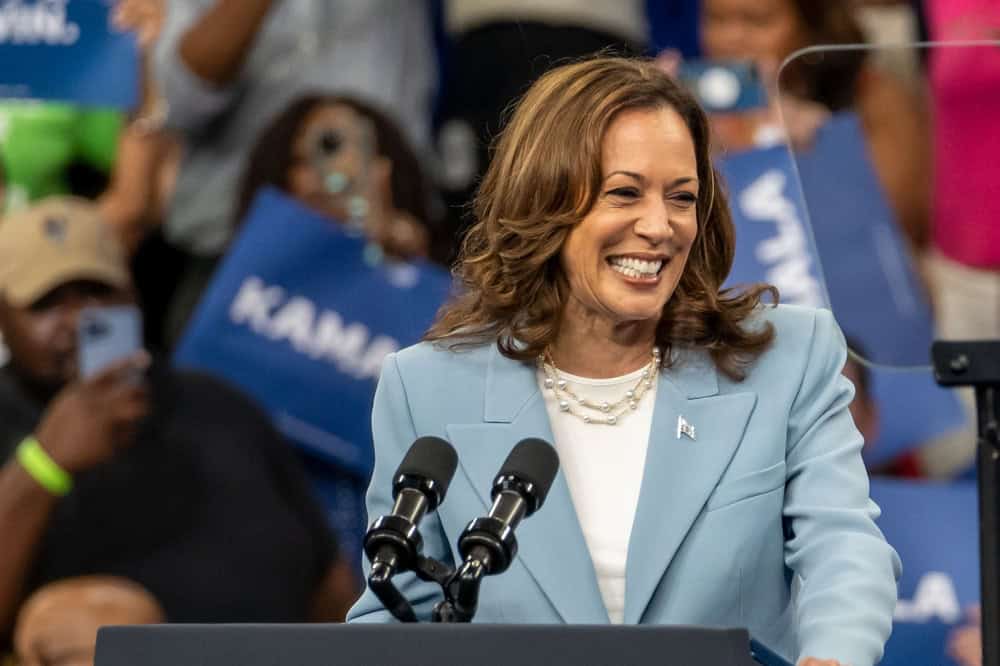
Predictions: Kamala Harris as President
A Democratic Party presidential administration led by current Vice President Kamala Harris would likely continue and potentially expand upon the corporate governance priorities seen in the Biden Administration.
This means a focus on:
Strengthening regulatory oversight.
- Stricter enforcement of existing regulations and potentially new rules regarding corporate transparency, removal of junk fees for consumers, accountability, and fair business practices.
- The relationship between the Democratic Party and the Union movement has never been as tenuous, so expect efforts to strengthen labour rights, with a federal push to address the gig economy and ensure fair compensation practices.
- If there’s an amenable Congress membership, a Harris Administration might also see expansion of the Dodd-Frank market reforms that the Republicans partially wound back in 2018.
Antitrust enforcement:
- A continuation of the Biden Administration’s muscular antitrust actions, particularly targeting large technology companies and other industries with high market concentration.
- Corporate tax rates and structures will be revisited, with a 28 per cent Corporate Tax rate a core part of the 2024 Kamala Harris platform.
The Securities and Exchange Commission (SEC) priorities:
- A continuing of an activist SEC should lead to more investor protection, climate risk disclosure reforms and new cybersecurity requirements.
Stakeholder capitalism:
- Stakeholder capitalism will not go away in the US under a Harris Administration. Kamala Harris has consistently advocated for a push away from fossil fuels and would almost certainly veto any Republican legislative efforts to ban anti ESG inspired investment strategies. Therefore, the role of ESG in corporate America is unlikely to be threatened by a Harris Administration.
What to watch for in a Harris Administration
The key to corporate governance policy under a Harris Administration will be in the heads of the Federal regulatory agencies. The SEC, Federal Trade Commission (FTC) and Consumer Financial Protection Bureau (CFPB) are the gatekeepers of corporate behaviour, and their leadership generally reflects the philosophical leanings of the administration in power.
Also of interest will be how far a President Harris will try to distance her administration from President Biden’s and his emboldening of more activist agency leaders. Will FTC Commissioner Lina Khan remain as the FTC Commissioner? Will Gary Gensler remain as Chair of the SEC?
There’s a loud chorus of donors and business leaders pushing for Khan’s removal and for a less active FTC and SEC under a Harris Administration. They may not get their wish though, with Khan recently doing the media rounds to show off her incredible popularity for a public official. Accordingly, the future of Khan as FTC Commissioner will be the first consequential corporate decision Harris will make.
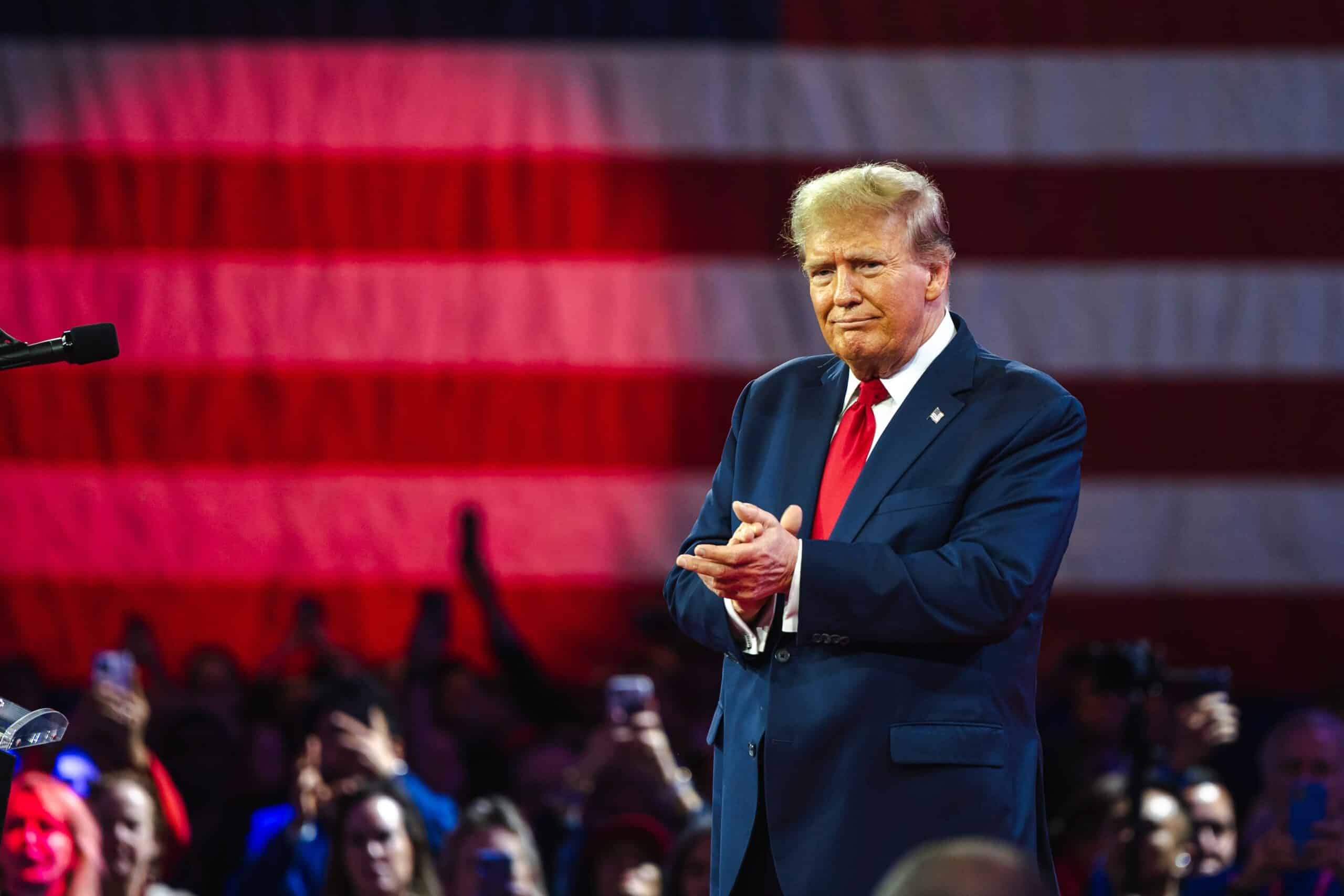
Predictions: Donald Trump as President
At the other end of the ideological scale, a Republican Party presidential administration led by Donald Trump might usher in a period of winding back of federal oversight over corporate America, pursuing:
Aggressive deregulation:
- A continuation on previous efforts to reduce federal regulations and compliance standards on businesses, with early emphasis on energy sector regulation and removing environmental initiatives.
Significant changes to regulatory agency priorities:
- Key agencies like the SEC, FTC, and CFPB will see leadership and priority changes with a less aggressive enforcement agenda.
Environmental, Social, and Governance (ESG) Initiatives:
- A roll back of ESG-related disclosure requirements and corporate adoption of ESG principles. This will likely be an attempt to copy the restrictions implemented in Florida and Texas at a federal level.
Tax policy:
Trade policy:
- Increased tariffs or trade barriers that might force some companies to restructure their operations or rethink their global strategies.
Board diversity initiatives:
- Reversal of corporate board diversity requirements or recommendations.
Judicial appointments:
- Conservative appointments, vetted by the Heritage Foundation to Federal Courts, leading to more employer friendly interpretations of corporate law and potentially limited avenues for shareholder litigation.
What to watch for in a Trump Administration
The Federal Government can only do so much to change the momentum of corporate America. Despite significant ‘red State’ backlash and a slowing of ESG investments, ESG investments remain popular.
Calling these initiatives ‘woke capitalism’ may be the latest catch cry of Republican Party politicians, but the market has spoken and revealed that ESG investments have become good business.
There is yet to be a strong indication as to who might be appointed to lead the Federal Agencies in a Trump Administration, but all federal appointments will likely be vetted by Donald Trump Jnr, who has taken up a new role of gatekeeper for his father and any future administration.
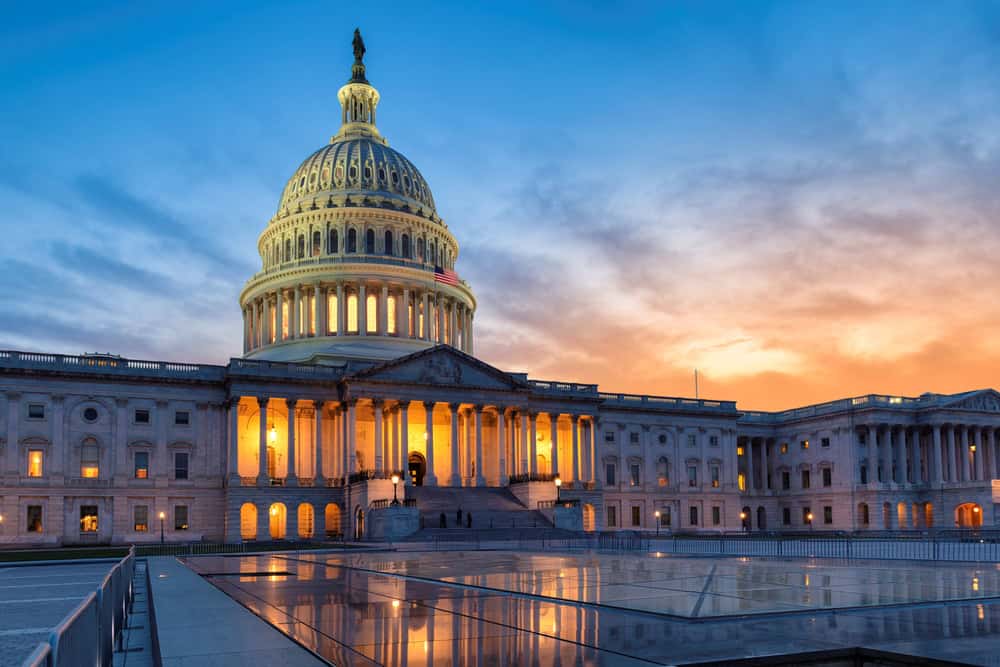
Don’t Forget About Congress
The governance landscape following November’s election won’t just be defined by the winning Presidential candidate. The President can only do so much.
They will need Congress to legislate any sustainable reforms, as well as to fund federal regulatory agencies.
This is why recent presidents of both parties have been forced into relying on executive actions and budget policy manoeuvres to enact any change. This method, however, is less durable than Congressional Legislation and leads ‘to a regulatory environment with pendulum swings from one administration to the next.’
While most of the focus will be on the Presidential election, the Congressional races will play an important and defining role in deciding if any reforms will impact the boardroom.