From adversity top purpose: The power of human resilience at the Governance and Risk Management Forum in Sydney.
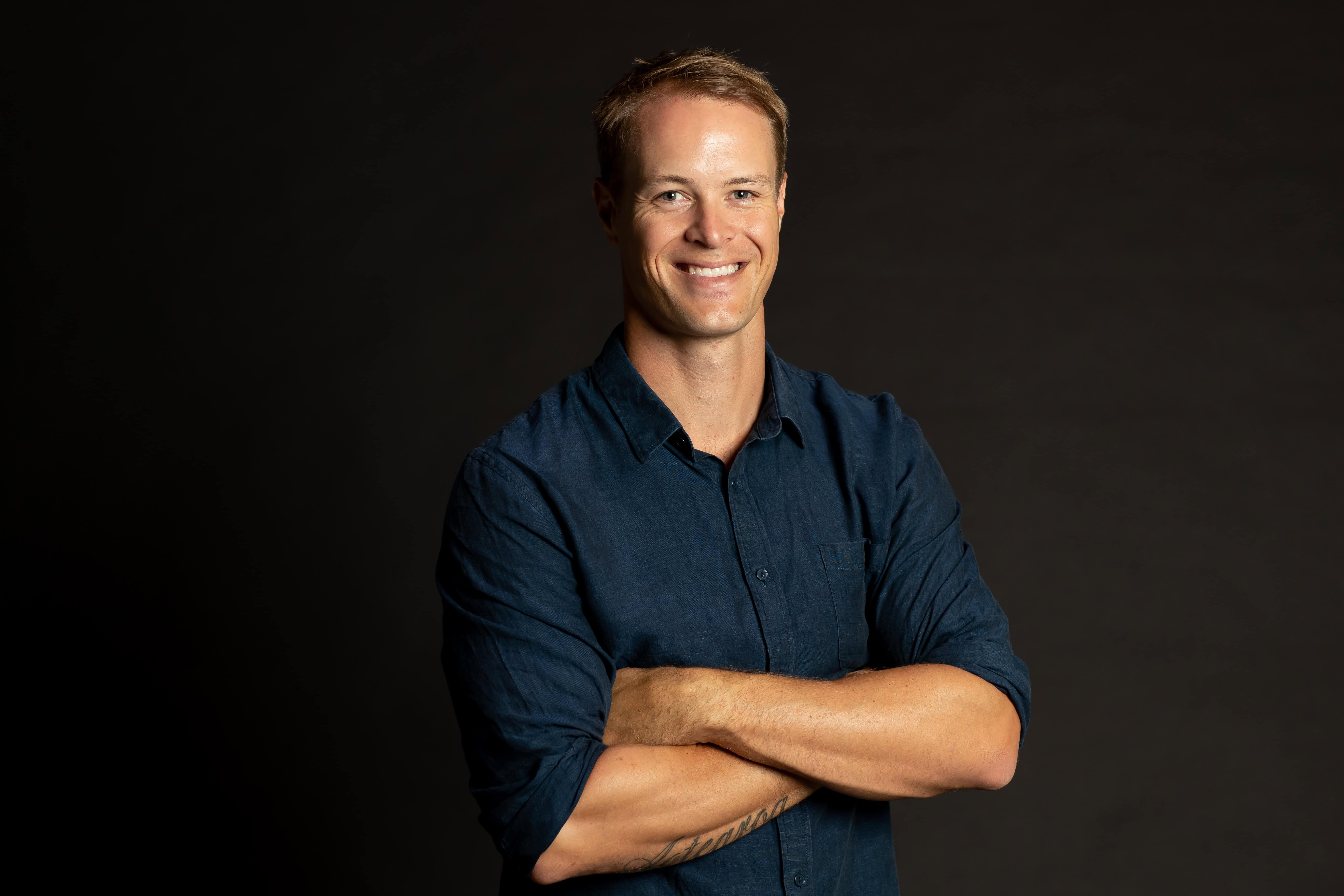
It was a catastrophic blast that changed Curtis McGrath’s life forever. As a young soldier serving in Afghanistan, he had stepped on a landmine, ripping both legs off in one searing, terrifying moment. The combat engineer was on the frontline clearing improvised explosive devices (IEDs) in one of the most dangerous places on Earth. It was August 2012.
“In a violent, hot explosion, the ground beneath me erupted, somehow in a state of bewilderment and physical wreckage, bizarre moments of clarity and focus took hold. I found myself trying to do my own first aid and instructing the men on how to administer the morphine,” Curtis would later recall during his Anzac Day commemorative address at the National Dawn Service at the National War Memorial in Canberra in 2017.
His story is one of triumph over adversity. After he had been stretchered away from the site of the attack, the 24-year-old combat engineer was already thinking about becoming an athlete, demonstrating true resilience and determination. He would become a three-time Paralympic gold medalist.
On May 29, 2026, Curtis, a bilateral leg amputee, will share his extraordinary experiences at the Governance Institute of Australia’s Governance and Risk Management Forum, or GRMF.
His session (which starts at 9am) will explore the meaning of the human spirit, how we find and build our capacity to adapt when faced with challenges to our personal or professional lives.
Curtis’ story sits at the heart of effective governance: resilience is not about restoring the status quo after disruption, but about strengthening decision making systems, institutional capability and trust that allow organisations to navigate uncertainty and emerge stronger over time.
For Curtis, salvation came, in part, on the water. Just two years after stepping on an IED in Afghanistan, he won a gold medal on debut at the 2014 International Canoe Federation Canoe Sprint World Championships in Moscow. More success would come.
At the Rio Paralympic Games in 2016, Curtis went head-to-head with the six-time world champion, Markus Swoboda from Austria. Although Markus took an early lead, Curtis fought back and won Australia’s first gold medal in Para-canoe at the Paralympic Games.
He was recognised as Sportsman of the Year at the World Paddle Awards in 2016 and carried the Australian flag at the Paralympic Games Closing Ceremony, an undoubted career highlight.
Curtis is a board member at Paralympics Australia and aims to be involved in the build-up to the Brisbane 2032 Paralympic Games. His leadership and success are deeply valued by the paralympic movement. He was honoured with an Order of Australia Medal in 2017.
Curtis inspires audiences with his message of courage, positivity, and perseverance, showing that even in the face of life-changing setbacks, it is possible to redefine one’s path. He continues to advocate for adaptive sports and empower others through his work with the Invictus Games and his engaging presentations. Curtis McGrath is a Paralympic champion, a warrior and world-class communicator whose story redefines what’s possible in the face of adversity.
His story is raw, gripping, and deeply inspiring, leaving audiences with an unshakable belief in their own potential. It underscores a core lesson for governance: resilience is not about restoring the status quo after disruption, but strengthening decision-making systems, institutional capability and trust under pressure.